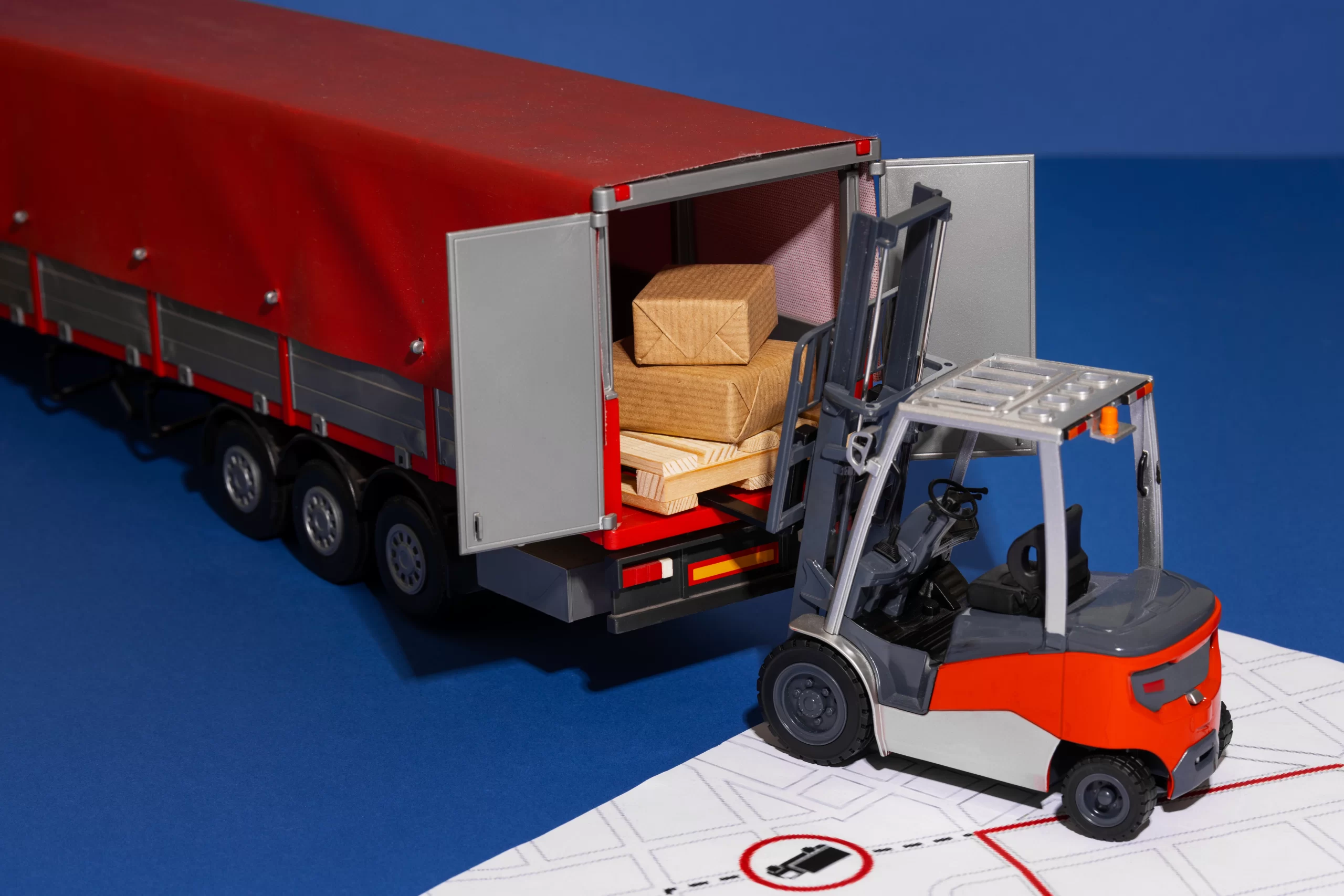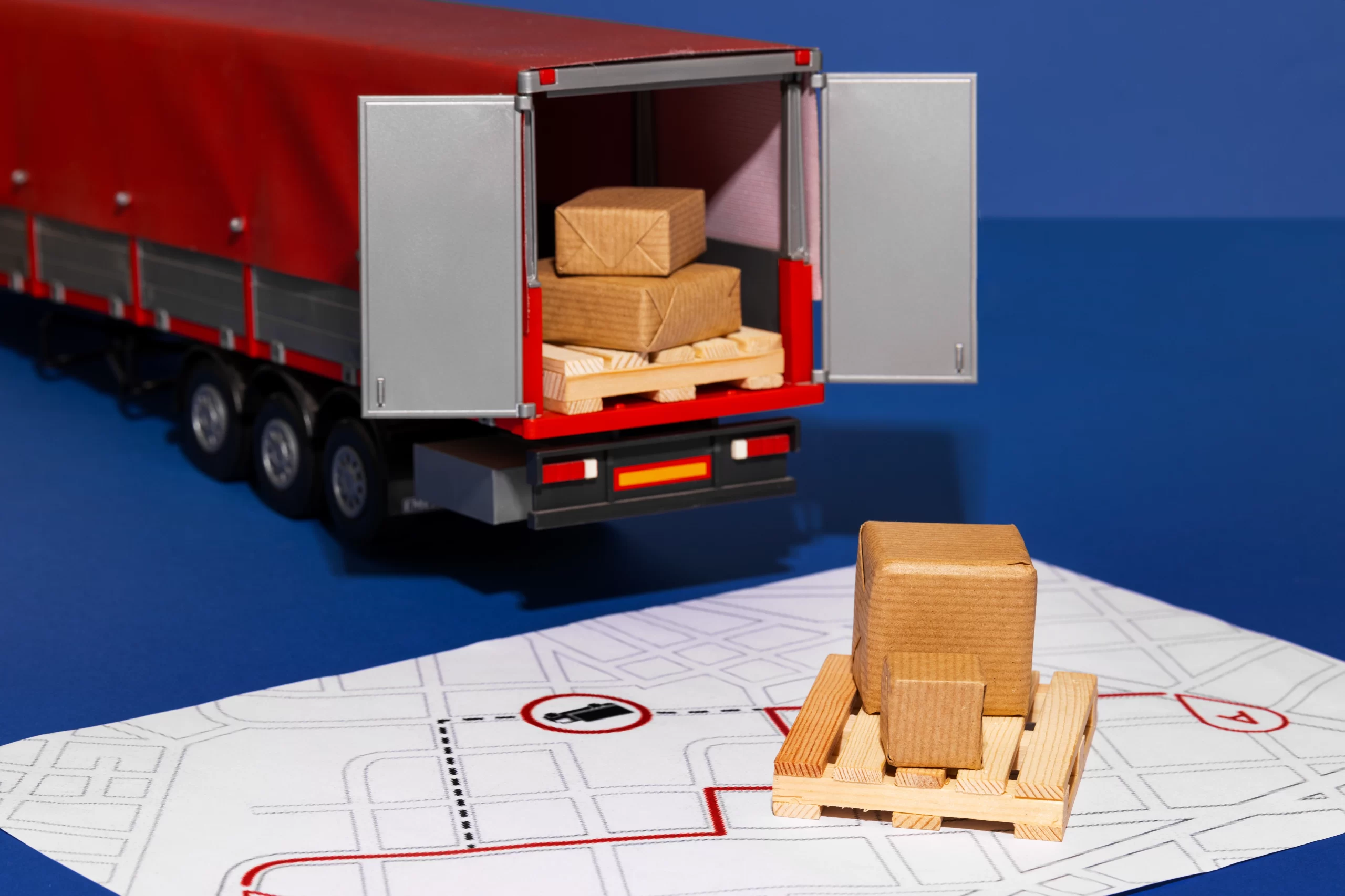
Requesting a freight quote is easier when the shipment details are ready before you contact a transportation provider. Clear information helps the team understand what is moving, where it needs to go, when it will be ready, and what equipment or handling may be required.
A quote based on incomplete measurements or an unclear pickup window may need to be revised after the details are confirmed. Use this guide to prepare a more complete freight request and make it easier to compare transportation options.
1. Pickup and delivery locations
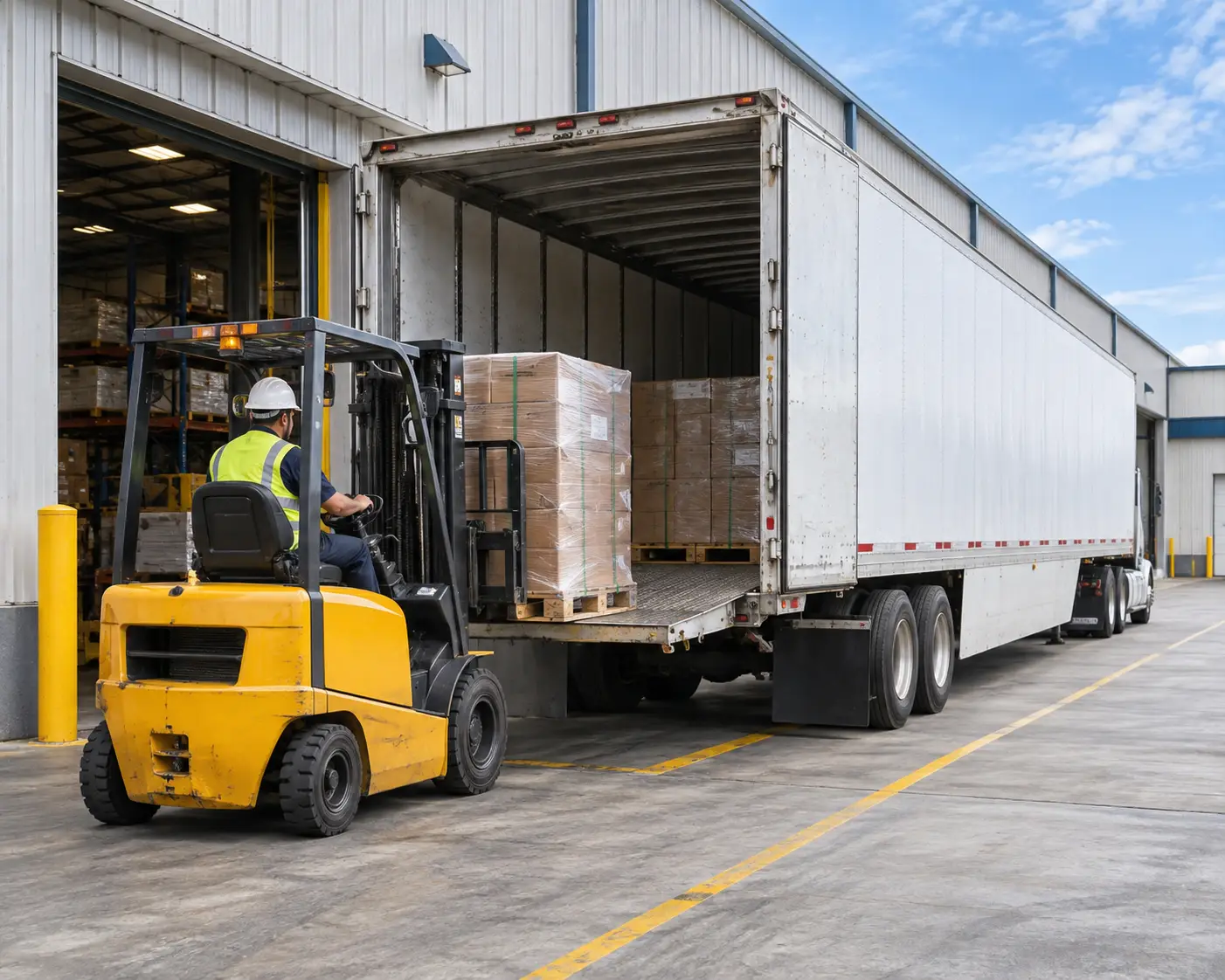
Provide the full pickup and delivery addresses when available. At minimum, include the origin and destination ZIP codes. Also share whether the locations are commercial facilities, warehouses, residential addresses, construction sites, ports or other restricted-access locations.
Let the provider know about receiving hours, appointment requirements, gate instructions, limited truck access, loading docks and any time windows that cannot be missed. A ZIP code alone does not explain every site condition that can affect a pickup or delivery.
2. Freight description and handling units
Describe the commodity in plain language. Include the number and type of handling units, such as pallets, crates, drums, cartons or pieces. Mention whether the freight is fragile, unusually shaped, high-value, temperature-sensitive or subject to special handling restrictions.
For regulated or restricted commodities, disclose the relevant classification and documentation requirements before a quote is confirmed. Do not describe freight as general merchandise if its handling requirements are different.
3. Accurate dimensions and total weight
Provide the length, width and height of each pallet or handling unit, including the pallet, packaging and any protruding cargo. Provide the total shipment weight and, where practical, the weight of each unit. Estimates can create equipment-fit or pricing problems if the actual shipment is larger or heavier.
Also explain whether the pallets can be stacked and whether the freight can be safely loaded in more than one orientation. If the freight is oversized, has an unusual center of gravity, or requires special loading equipment, say so at the start.
4. The pickup-ready date and delivery deadline
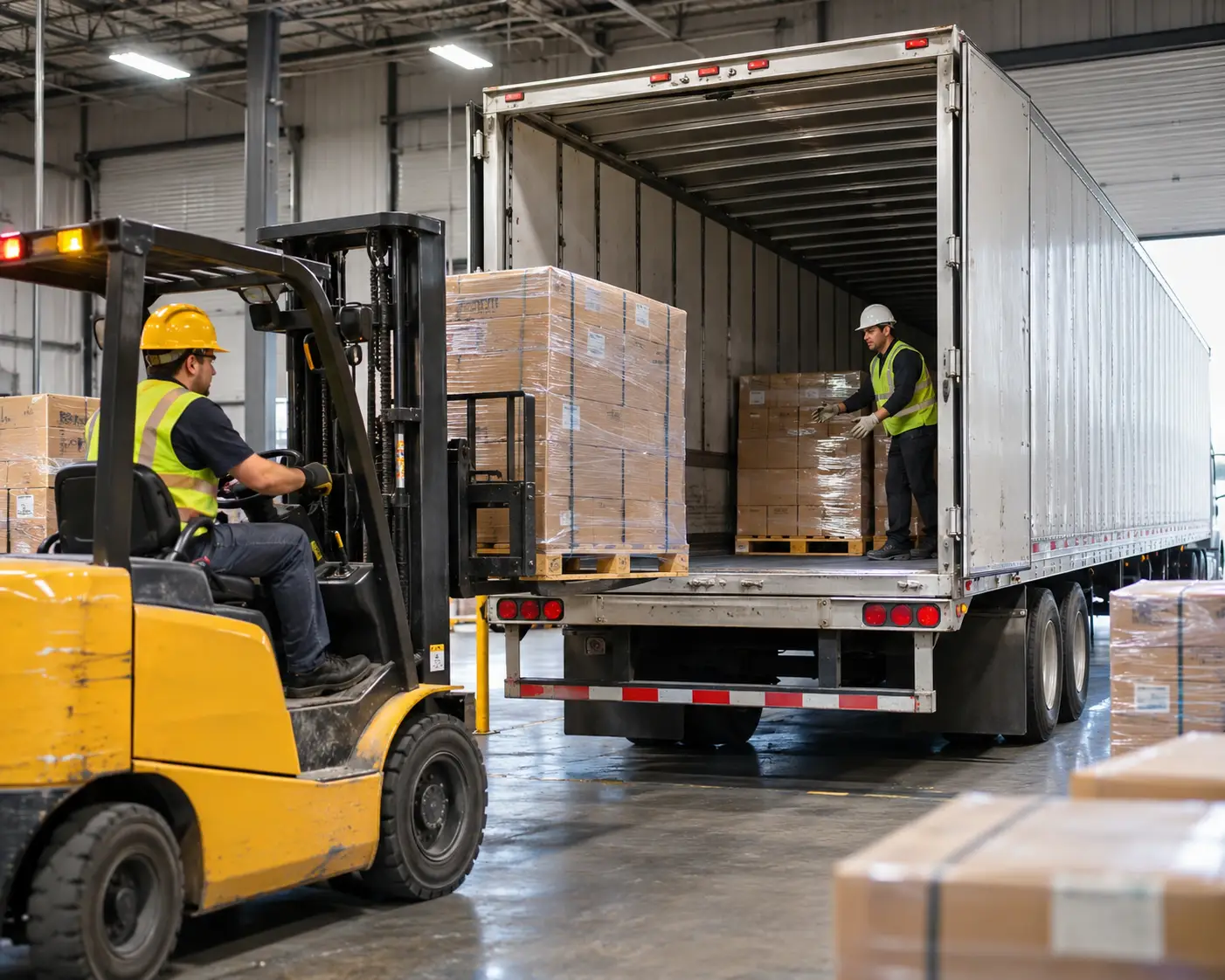
State when the freight will physically be ready for collection. Distinguish the date it becomes available from the date you would prefer it to be picked up. If delivery must arrive by a specific appointment or production deadline, provide the date, local time and receiving contact.
When a shipment is urgent, explain why the timing matters and whether the deadline is fixed or flexible. For time-sensitive freight, ask about expedited freight options. Availability and transit estimates must be confirmed for the particular route and shipment.
5. Choose a transportation option that fits the freight
The right mode depends on shipment size, schedule, commodity, equipment needs and the level of dedicated capacity required.
- Full Truckload (FTL) may be appropriate when the shipment needs dedicated trailer capacity or has handling and schedule requirements that make a dedicated move suitable.
- Less-Than-Truckload (LTL) can be considered for smaller palletized freight that can move in a shared network, subject to carrier acceptance and service requirements.
- Dry van transportation is commonly considered for general freight that needs an enclosed trailer.
- Flatbed service may be suitable for freight that needs open-deck loading or has dimensions that do not work in an enclosed trailer.
- Refrigerated transportation should be discussed when the product has a defined temperature range or handling protocol.
If you are unsure which service fits, describe the shipment and ask the transportation provider to review the options instead of selecting equipment based on the name alone.
6. Accessorial services and site requirements
Tell the provider if either end needs a liftgate, pallet jack, forklift, driver assistance, inside delivery, limited-access service, appointment, waiting time or special unloading arrangement. Confirm who is responsible for loading and unloading and whether the site has suitable equipment.
These details are especially important for single-pallet or small commercial shipments. A box truck delivery may be an option when the cargo and access conditions suit that vehicle.
7. A quick freight quote checklist
- Pickup and delivery addresses or ZIP codes
- Pickup-ready date and requested delivery date or appointment
- Commodity description and any restrictions
- Number of pallets or handling units
- Dimensions and weight, including packaging
- Stackability and loading orientation
- Dock, forklift, liftgate or pallet-jack availability
- Special handling, temperature or securement requirements
- Pickup and delivery contact details
Why complete information matters
A useful quote should reflect the shipment that will actually be tendered, not an incomplete estimate. Accurate details help the transportation team check vehicle fit, carrier acceptance, accessorial requirements and realistic scheduling. If any shipment detail changes after a quote is prepared, communicate the change before dispatch so the plan can be reviewed.
For further preparation, review our FTL vs. LTL shipping guide and explore the freight services offered by Puget Bay Logistics.
Request a freight quote
Have the shipment details ready? Contact Puget Bay Logistics with the origin, destination, freight description, dimensions, weight and requested timing. Our team can review the information and discuss transportation options subject to route, equipment and carrier availability.