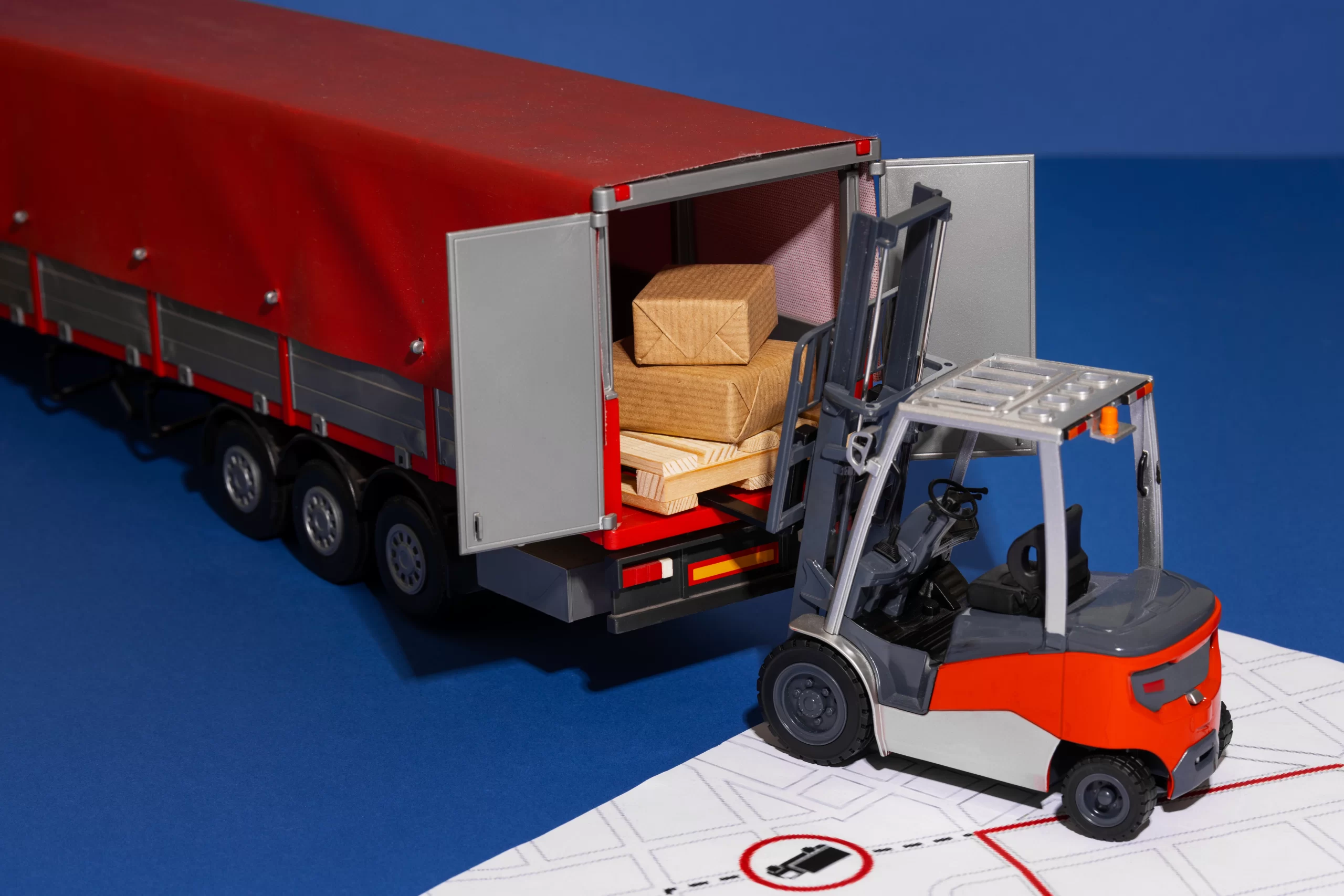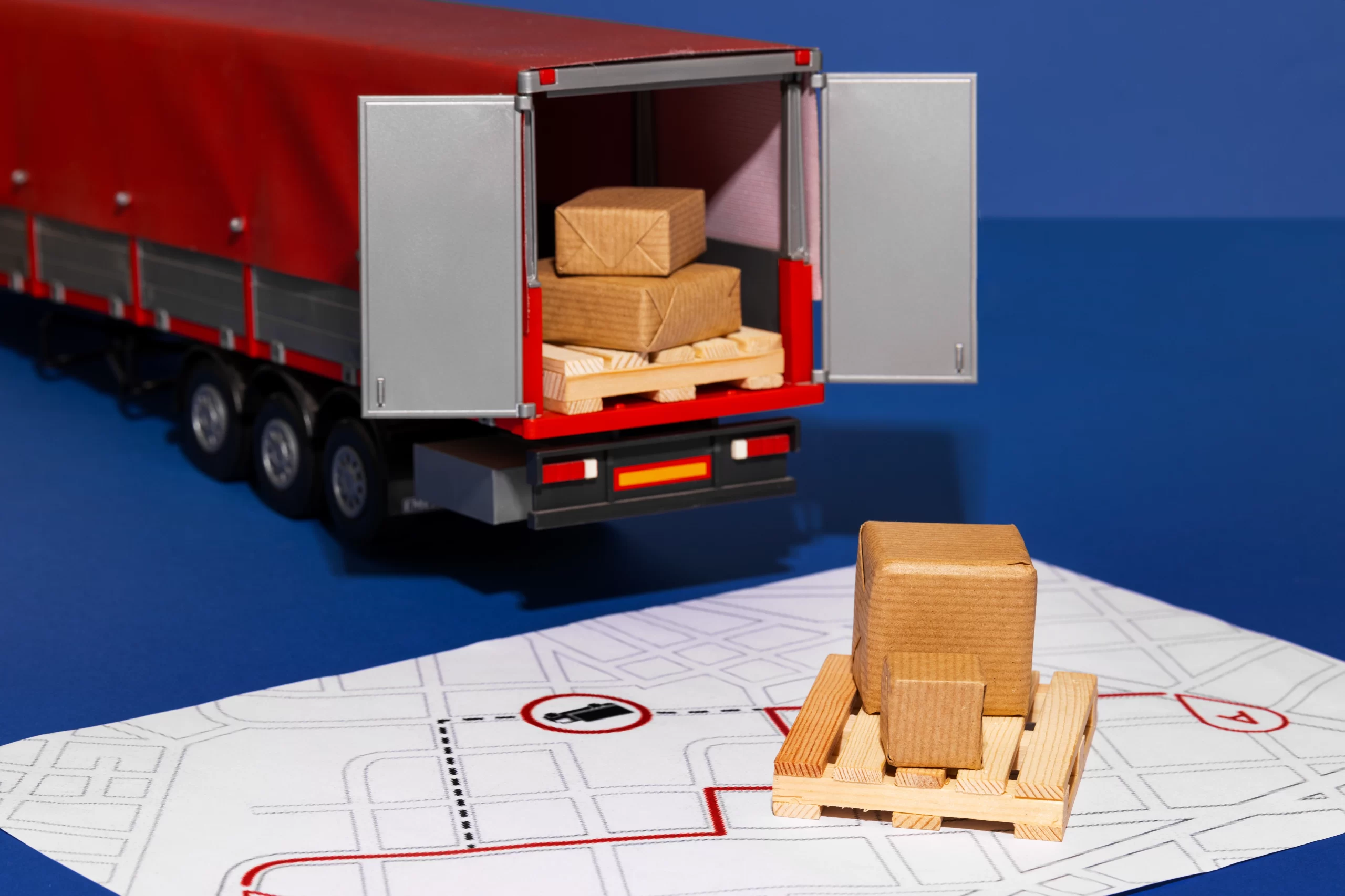
Flatbed transportation is often considered when freight cannot be loaded or unloaded conveniently through the doors of an enclosed trailer, or when cargo dimensions and handling requirements call for open-deck equipment. Industrial materials, machinery, building products and other commercial freight may need a carefully planned flatbed move.
The best time to address equipment, loading and securement questions is before the truck is dispatched. A clear shipment description helps the transportation team review vehicle suitability, access requirements and the information needed for a safe loading plan.
1. Record the full cargo dimensions
Measure the length, width and height of the cargo in the condition in which it will be transported. Include skids, packaging, crating, protrusions and any items that will be shipped with the main piece. For multiple units, provide dimensions for each unit rather than one approximate combined measurement.
Explain whether the pieces can be stacked, nested or loaded in a particular orientation. If the cargo has lifting points, fragile areas or components that cannot bear weight, share those details with the transportation team before equipment is selected.
2. Confirm total weight and weight distribution
Provide the actual or best verified weight for every piece and the total shipment. If a machine or industrial component has an uneven weight distribution, identify the heavy end and any loading restrictions. Weight and dimensions together help determine whether a standard flatbed, another deck configuration or specialized equipment should be reviewed.
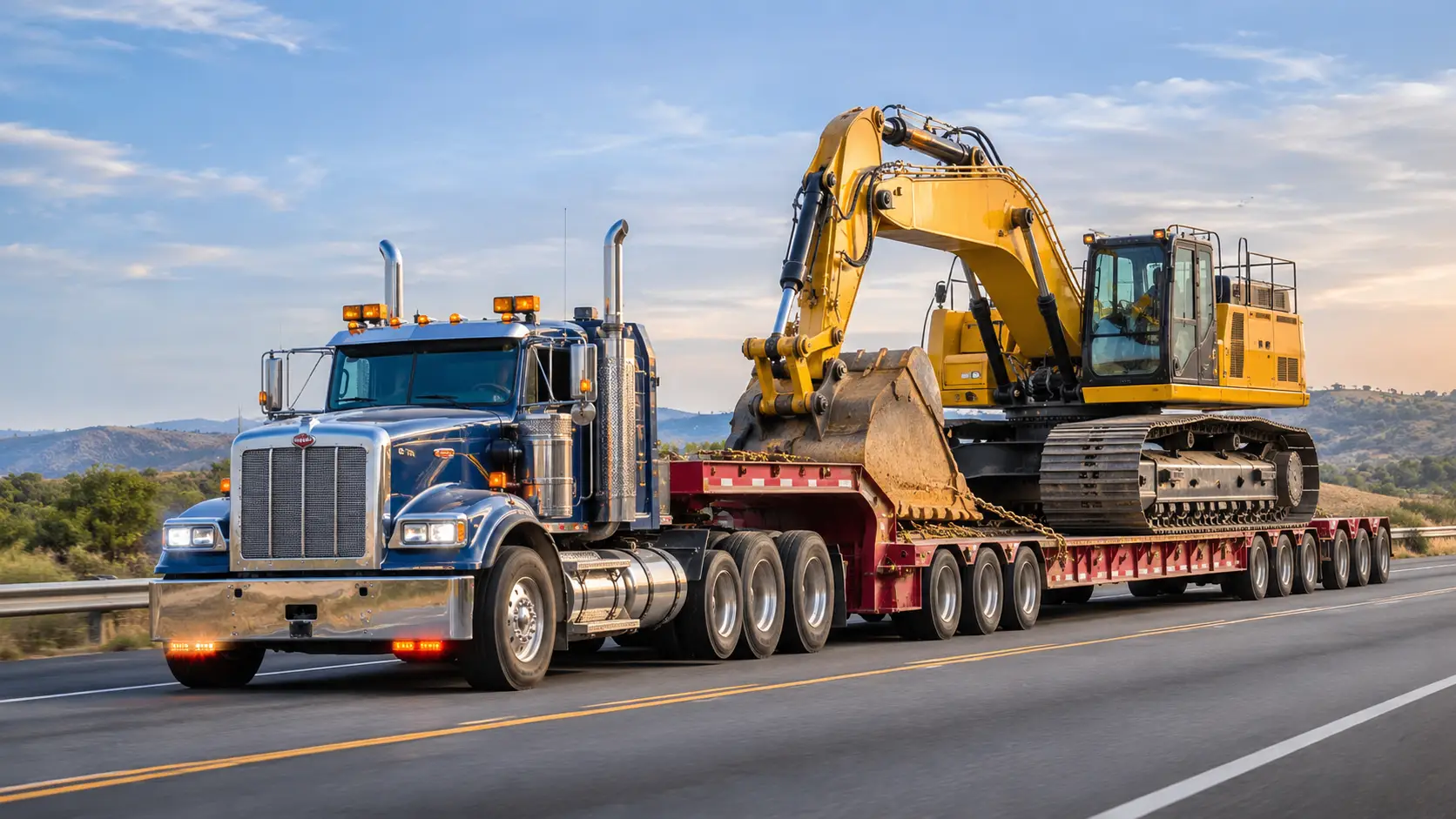
If the shipment may exceed ordinary equipment or route limits, it may need a different review. Puget Bay Logistics can also discuss heavy haul transportation for loads that require specialized planning. Equipment selection should be based on verified cargo data, not visual estimates.
3. Plan loading and unloading before booking
Open-deck shipments need a clear loading and unloading plan. Confirm whether the origin and destination have a crane, forklift, loading dock or other equipment capable of handling the cargo. Identify who will operate the equipment and whether the site has room for the truck and trailer to position safely.
Share loading hours, appointment windows, site restrictions, ground conditions and any required personal protective equipment or check-in procedures. A location that can receive a small delivery truck may not have the clearance or maneuvering space required for a tractor and flatbed trailer.
4. Discuss securement and cargo protection
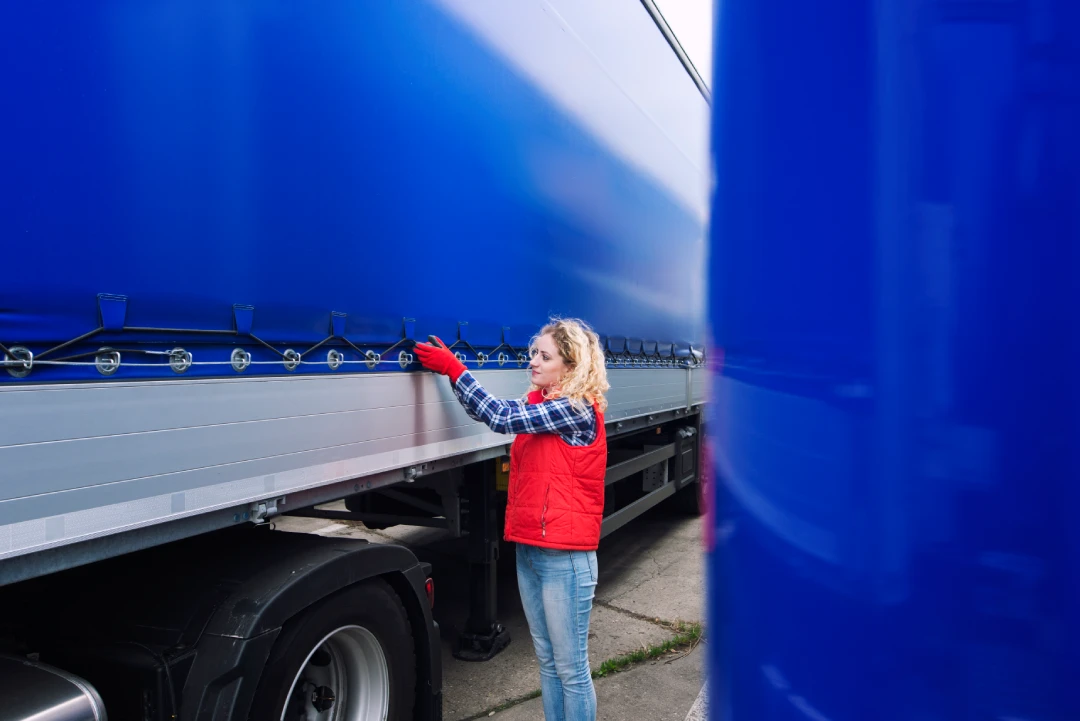
Open-deck cargo is exposed to the environment and must be appropriately contained and secured for transportation. The securement plan depends on the commodity, shape, weight, contact surfaces and trailer configuration. Provide information about designated tie-down points, surfaces that need protection, and parts that cannot be compressed or exposed.
Federal Motor Carrier Safety Administration cargo-securement rules describe general requirements for preventing cargo from shifting or falling and address the condition and use of securement devices. Review the FMCSA cargo securement rules and coordinate the load-specific plan with the responsible transportation professionals. This article is a planning guide, not a substitute for applicable regulations or a qualified securement assessment.
Ask whether tarping or other weather protection is needed and whether the cargo can tolerate rain, road spray, dust or temperature changes. Not every flatbed shipment can be tarped, and some loads require a particular protection method.
5. Consider permits, route and timing
Unusually wide, tall, long or heavy cargo may require additional route review, permits, escorts or other arrangements depending on the shipment and jurisdictions involved. Provide exact loaded dimensions and total weight early so the provider can determine what checks may be necessary.
Do not assume that a route suitable for a standard trailer will be suitable for an oversized load. Bridges, road restrictions, construction, turning radius and site access may affect the feasible route and schedule.
6. Match the equipment to the cargo
A standard flatbed may fit many open-deck shipments, while other loads may require a step deck, removable gooseneck, lowboy or another specialized trailer. These equipment types are not interchangeable in every situation. The cargo height, loading method, weight and route should guide the review.
For general enclosed freight, compare the requirements with Full Truckload or Dry Van transportation. For open-deck freight, review Puget Bay Logistics flatbed freight services.
Flatbed quote preparation checklist
- Commodity description and number of pieces
- Exact dimensions and weight for each piece
- Total loaded dimensions and total shipment weight
- Stackability, orientation and center-of-gravity information where relevant
- Lifting points and loading/unloading equipment
- Securement points and cargo-protection requirements
- Tarp or weather-protection requirements
- Pickup and delivery addresses, access and operating hours
- Required delivery date and any site appointments
- Known permit, escort or route restrictions
Request a flatbed freight review
A complete request helps identify the right equipment and plan before the shipment is ready. Contact Puget Bay Logistics with the cargo description, dimensions, weight, loading details and delivery requirements. Our team can review available transportation options subject to route, equipment, carrier acceptance and any required permits.