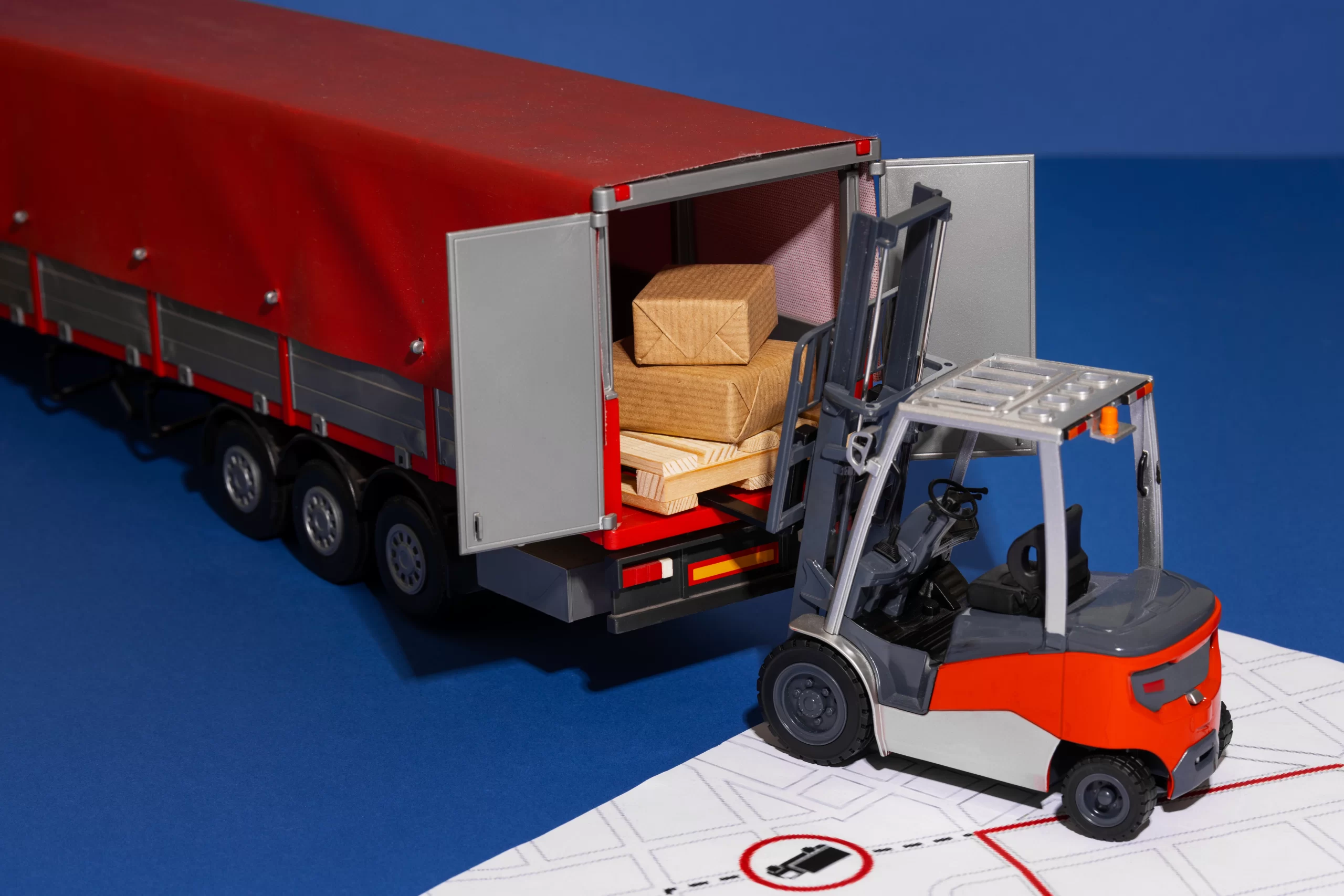
Choosing a freight transportation company is an important business decision. The provider you select can influence delivery reliability, shipping costs, inventory planning, customer experience, and how quickly your business can respond when freight requirements change.
With many transportation providers offering different equipment, service levels, and coverage options, comparing quotes alone is rarely enough. A low rate may not represent the best overall value if communication is inconsistent, equipment does not match the shipment, or delivery requirements are not clearly understood.

The right logistics partner should understand your cargo, ask the right questions, explain available options, and coordinate transportation around your operating needs. This guide explains what to evaluate before choosing a freight transportation company and how to make a more informed decision.
1. Understand Your Freight Requirements First
Before contacting providers, document what you ship and what each shipment requires. Clear information helps a transportation company identify suitable equipment and provide a more accurate quote.
Start with these details:
- Cargo type: Describe the products, materials, or equipment being transported.
- Shipment size and weight: Include pallet count, dimensions, total weight, and any unusual loading characteristics.
- Pickup and delivery locations: Identify origin, destination, access restrictions, and whether appointments are required.
- Timing: Share the ready date, preferred pickup window, delivery deadline, and whether the shipment is recurring or one-time.
- Handling and equipment: Note temperature requirements, loading method, securement needs, or special equipment.
- Frequency: Explain whether you ship occasionally, seasonally, or on a regular schedule.
The more complete the shipment information, the easier it is to compare transportation options on an equivalent basis.

2. Match the Transportation Service to the Shipment
A capable freight partner should help determine which service and equipment fit the shipment rather than forcing every load into the same solution.
Full Truckload (FTL)
Full Truckload shipping is generally suited to larger shipments or loads that benefit from dedicated trailer capacity. It can reduce freight transfers and may be appropriate when shipment size, handling needs, or timing make a dedicated truck the better fit.
Less-Than-Truckload (LTL)
Less-Than-Truckload shipping combines compatible freight from multiple shippers in a shared trailer. It can be a practical option when a shipment does not require the space of a full trailer. Transit time, handling, freight class, dimensions, and accessorial requirements should all be considered when comparing LTL quotes.
Specialized Equipment and Services
Some cargo requires a specific trailer or transportation arrangement. Depending on the shipment, options may include dry van, flatbed, refrigerated freight, heavy haul, expedited freight, or drayage. Confirm equipment availability, cargo suitability, and any applicable permits or handling requirements before booking.
3. Look Beyond the Freight Rate
Price matters, but the lowest initial quote is not necessarily the lowest total transportation cost. Compare what each quote includes and check whether additional charges may apply.
Ask providers to clarify:
- What is included in the quoted transportation rate?
- Are fuel surcharges or other variable charges applicable?
- Could detention, layover, liftgate, residential, or appointment fees apply?
- Are special handling, permits, or additional services priced separately?
- How are changes to shipment details or schedules handled?
Make sure every provider is quoting the same shipment details, service level, and delivery expectations. A transparent quote makes it easier to assess value and avoid surprises.
4. Evaluate Communication and Shipment Updates
Good communication is essential throughout a shipment. Before selecting a provider, understand who will coordinate your load, how you can reach that person, and what information will be shared during transit.
Ask how the provider handles:
- Pickup confirmation and dispatch updates
- In-transit status information
- Changes to estimated arrival times
- Unexpected delays or service exceptions
- Delivery confirmation and documentation
Tracking capabilities can vary by carrier and service. Ask what updates are available for your particular shipment rather than assuming that every load includes continuous GPS tracking or automated notifications.
5. Check Carrier Coordination and Safety Practices
If a freight provider arranges transportation through a network of motor carriers, ask how it selects and coordinates those carriers. Understand what checks are performed and how shipment requirements are communicated to the carrier handling the load.
Useful questions include:
- How is the motor carrier selected for the shipment?
- How are insurance and operating authority requirements reviewed?
- How are equipment and driver requirements confirmed?
- Who is the point of contact if a problem occurs?
- How are claims, damage reports, and delivery exceptions handled?
Ask for clear answers about responsibilities and documentation. For specialized or regulated cargo, confirm any additional qualifications, permits, or handling procedures that may be required.
6. Confirm Geographic Coverage and Operational Fit
Make sure the provider can support the lanes and locations your business uses. A company may offer broad coverage, but the practical fit depends on the origin, destination, equipment, shipment frequency, and capacity available for your dates.
Discuss your regular lanes as well as occasional or seasonal destinations. If your business operates across several regions, ask how the provider coordinates shipments across those locations and how it communicates when capacity or schedules change.
7. Ask About Flexibility and Scalability
Freight demand rarely stays constant. Seasonal peaks, promotions, new customers, supplier changes, and production schedules can all affect shipment volume.
Choose a partner that is willing to understand both your current needs and the changes you may face. Discuss whether it can coordinate different shipment sizes, recurring loads, specialized equipment, and time-sensitive requirements when suitable capacity is available.
It is also useful to agree on a process for urgent requests, shipment changes, and volume forecasts. Clear expectations help both sides plan more effectively.
8. Review Performance, Not Just Promises
Ask how the provider measures service performance and whether it can share relevant reporting for your account or lane. Useful measures may include:
- On-time pickup and delivery: Performance against agreed appointment or delivery windows.
- Transit time consistency: How actual transit compares with quoted expectations.
- Exception communication: How quickly shipment issues are reported and addressed.
- Documentation accuracy: Whether bills of lading and delivery confirmations are complete and timely.
- Issue resolution: How service failures, claims, and billing questions are managed.
Where possible, start with a clearly defined trial period or a small group of lanes. Review actual performance before expanding the relationship.
Questions to Ask Before You Choose a Freight Partner
Use this checklist during your evaluation:
- Which transportation modes and equipment can you coordinate for my freight?
- What information do you need to provide an accurate quote?
- What charges could be added to the quoted rate?
- Who will be my primary contact?
- What shipment status updates are available?
- How do you select and verify the motor carriers you work with?
- How do you handle delays, missed appointments, or damaged freight?
- Can you support recurring shipments and seasonal volume changes?
- What service metrics can you report?
- What documentation will I receive after delivery?
Why Businesses Work With Puget Bay Logistics
Puget Bay Logistics coordinates freight transportation for businesses with a range of shipping requirements. Its service offering includes FTL and LTL transportation, dry van, flatbed, refrigerated freight, expedited shipping, heavy haul, and drayage options. Transportation arrangements are reviewed against cargo details, shipment size, equipment needs, locations, and preferred timelines.
The team also coordinates with transportation providers, shares shipment status information based on carrier updates, and assists with quotes and delivery communication. As with any freight arrangement, service availability and timing depend on the specific shipment and available capacity.
If you are reviewing your current freight arrangements or planning a new shipping lane, start with the details that matter most: what you are moving, where it needs to go, when it must arrive, and how it needs to be handled.
Ready to discuss your next shipment? Contact Puget Bay Logistics with your pickup and delivery locations, cargo description, dimensions, weight, and preferred shipping date. The team can review your requirements and help coordinate a suitable freight solution.
Explore related services: Review Full Truckload, LTL, box truck transportation, and expedited freight options. For a shipment-specific review, contact Puget Bay Logistics.
Final Thoughts
Choosing the right freight transportation company means finding a provider whose services, communication, carrier coordination, and operating approach fit your business. Take time to define your shipment requirements, compare complete quotes, ask direct questions, and review performance over time.
A well-matched logistics partner can help make freight planning more organized and give your team a clearer process for managing transportation as your business changes.
Explore More Freight Resources
Choosing a transportation partner is easier when you understand the services available. Explore Full Truckload shipping, Less-Than-Truckload shipping, box truck services, expedited freight, and drayage services. For help preparing shipment details, read our freight quote checklist.
Ready to discuss your lanes? Contact Puget Bay Logistics with your shipment requirements.