Need urgent assistance? Call +1 (360)-219-7635 Call 24×7 +1 (253) 452-0016
MC 1226842 | USDOT 3606484

Dry Van Shipping Services
Reliable Dry Van Transportation for Secure and Efficient Freight Delivery
At Pugetbay Logistics, we provide dependable dry van shipping solutions designed to help businesses transport general freight safely and efficiently. Whether you’re shipping palletized goods, packaged products, retail inventory, industrial materials, or commercial supplies, we coordinate reliable transportation to meet your shipping requirements.
Our dry van freight services are designed to support businesses that need secure, enclosed transportation with flexible scheduling and dependable carrier coordination. From individual shipments to ongoing truckload requirements, we work to make freight transportation straightforward, cost-effective, and organized.
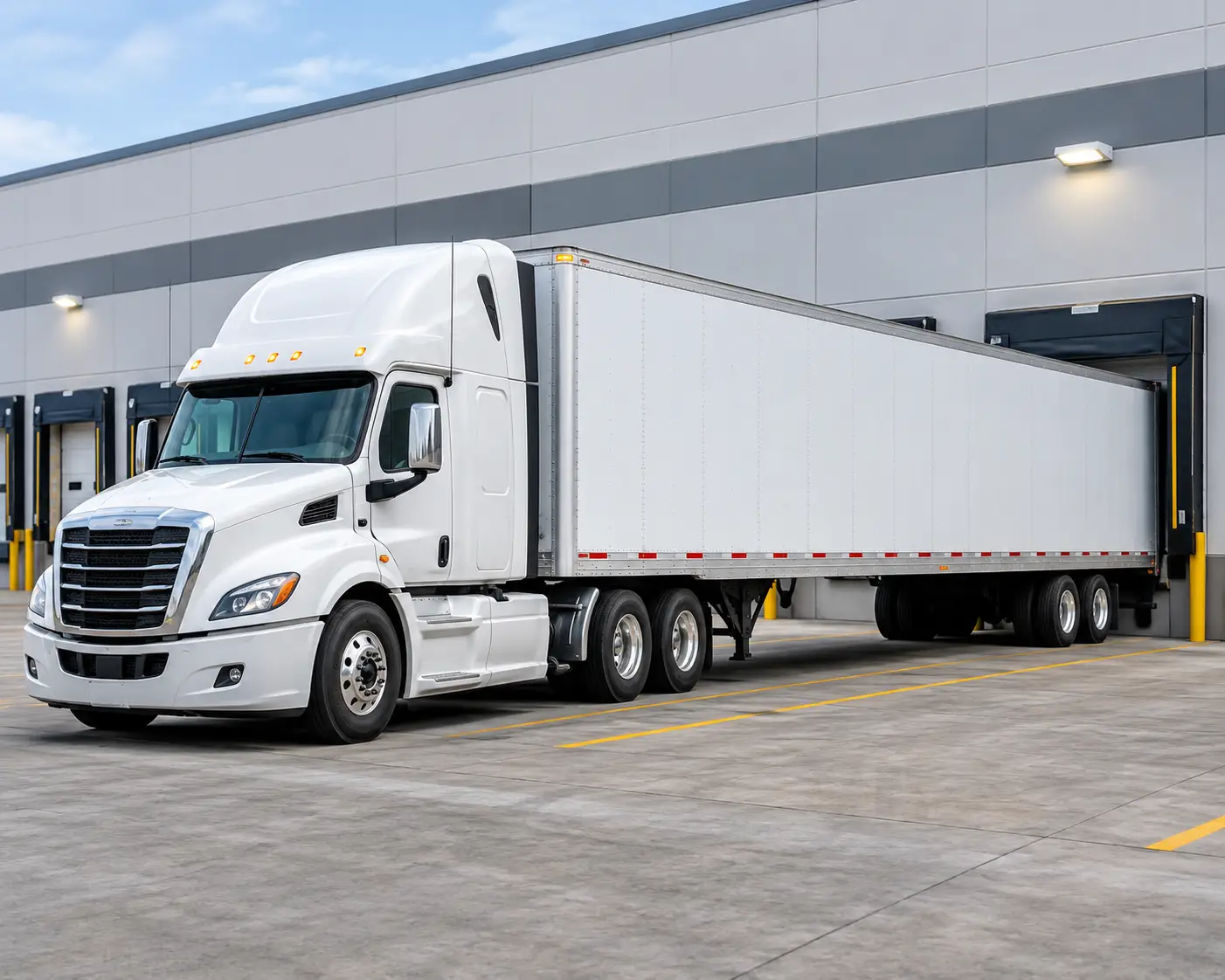
What Is Dry Van Shipping?
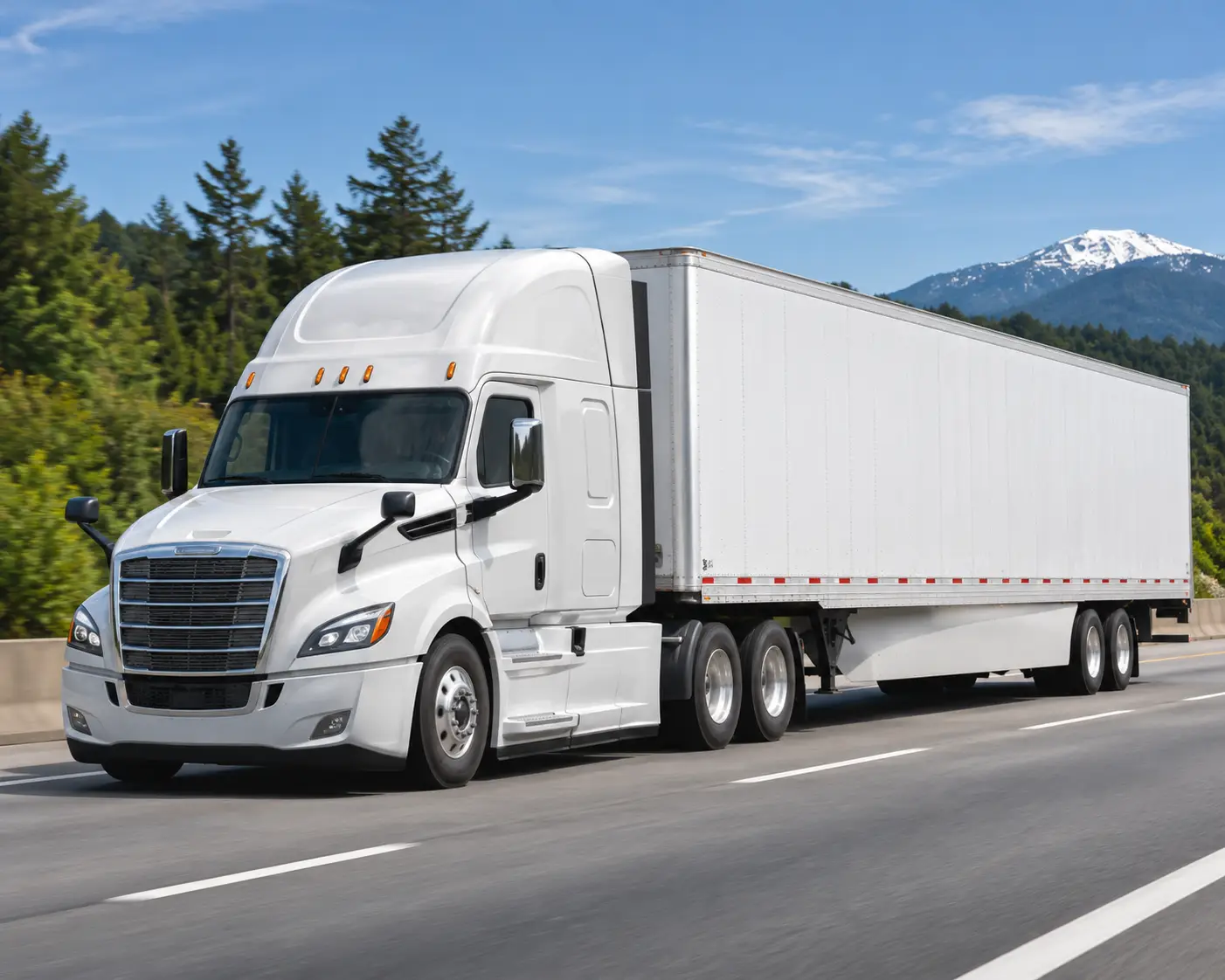
Dry van shipping is a freight transportation method that uses an enclosed semi-trailer to move goods from one location to another. These trailers are commonly used to transport non-temperature-controlled cargo that requires protection from weather and external elements.
Dry van trailers are among the most widely used equipment types in the trucking industry because of their versatility and ability to accommodate different types of general freight.
At Pugetbay Logistics, we help businesses coordinate dry van transportation for shipments ranging from packaged consumer products to industrial supplies and palletized commercial goods.
Whether you need full truckload transportation or have recurring freight requirements, we help coordinate suitable shipping arrangements for your business.
What Can You Ship Using Dry Van Trailers?
Dry van trailers are suitable for transporting a wide range of non-temperature-controlled goods. Their enclosed design makes them a practical option for businesses that need protection from outdoor conditions during transportation.
Common freight types include:
Retail and Consumer Goods: Packaged products, household items, clothing, and general merchandise.
Manufacturing Materials: Raw materials, packaged components, and finished industrial products.
Electronics and Technology: Boxed electronics, computer accessories, and commercial equipment.
Food and Beverage (Non-Temperature-Controlled): Shelf-stable packaged food, beverages, and dry grocery products.
Building Materials: Packaged construction supplies, hardware, and non-oversized materials.
Paper and Packaging Products: Cartons, paper rolls, packaging materials, and commercial printing supplies.
Automotive Parts: Boxed vehicle components, spare parts, and aftermarket accessories.
Note: Freight suitability depends on cargo dimensions, weight, packaging, loading requirements, and applicable transportation regulations.
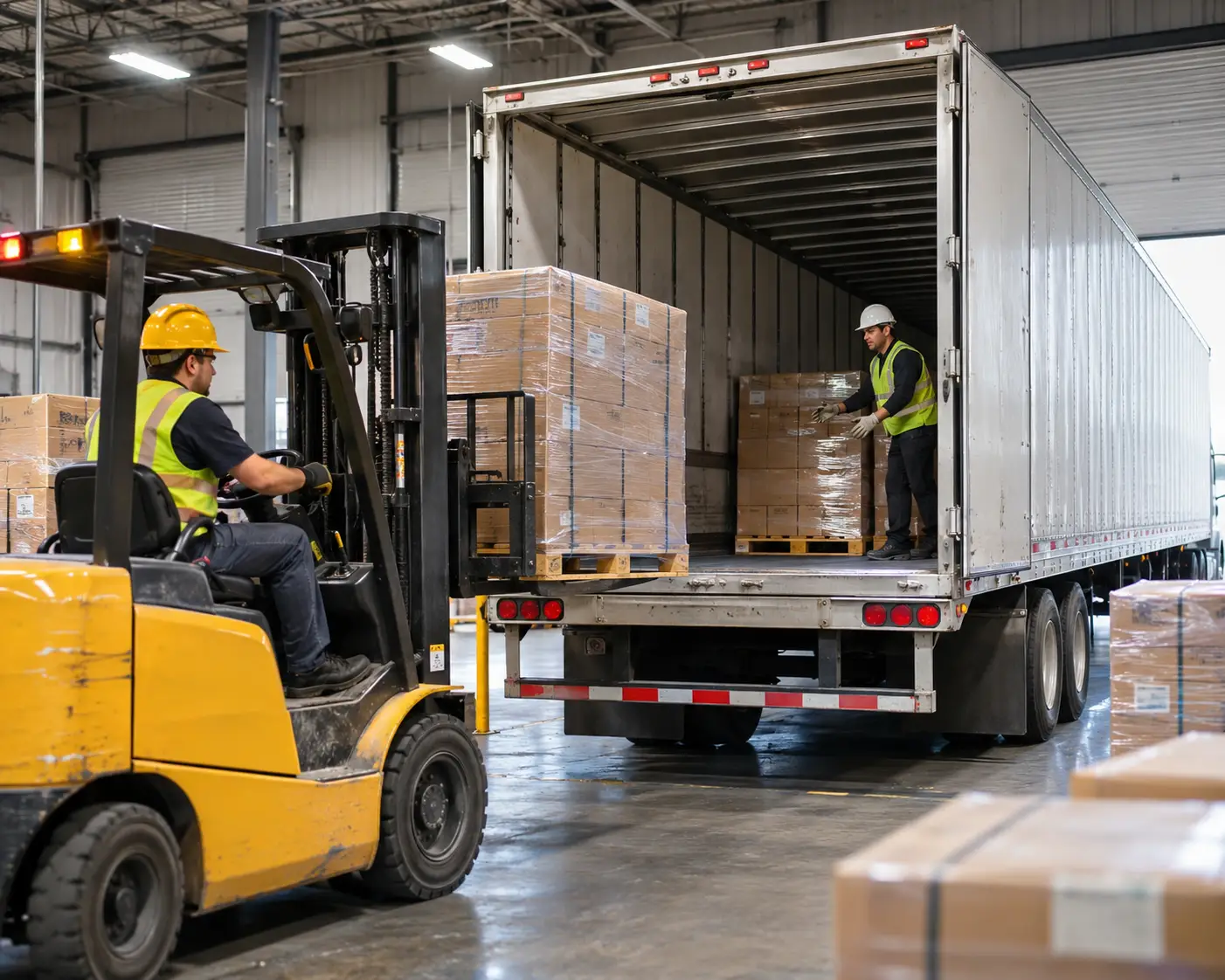
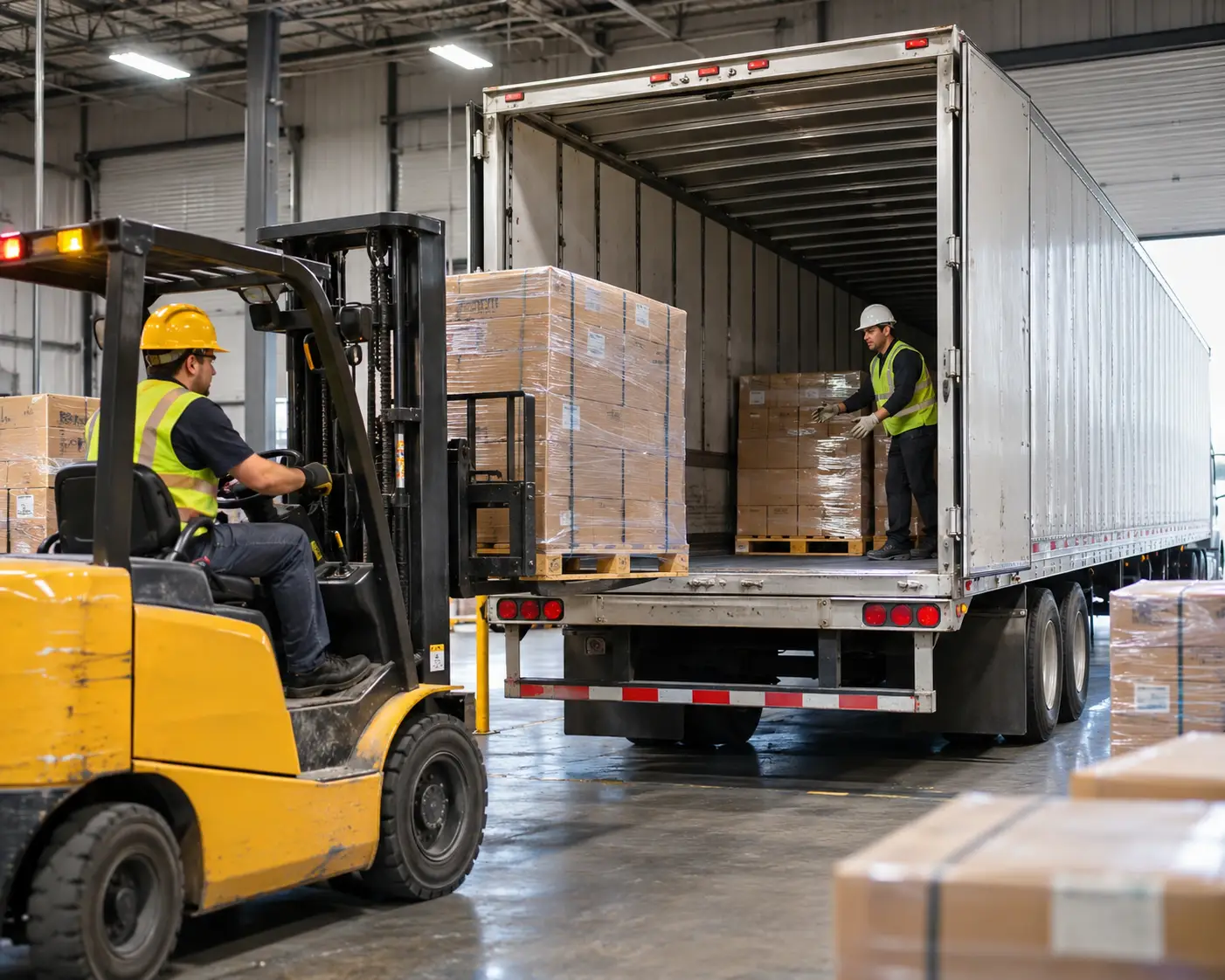
How Our Dry Van Shipping Process Works
We believe freight transportation should be simple and well-coordinated. Our process focuses on understanding your requirements and arranging suitable transportation solutions.
Step 1: Request a Freight Quote
Share your shipment details, including pickup location, delivery destination, cargo type, dimensions, weight, and preferred shipping date.
Step 2: Shipment Assessment
We review your freight requirements to understand the equipment needed, shipment volume, delivery timeline, and transportation considerations.
Step 3: Carrier Coordination
We coordinate with suitable transportation providers to identify available dry van equipment and appropriate shipping arrangements.
Step 4: Pickup Scheduling
Once transportation is arranged, we coordinate pickup details and communicate relevant shipment information.
Step 5: Shipment Updates
We help coordinate shipment status updates and tracking information according to the carrier’s available tracking capabilities.
Step 6: Delivery Coordination
We assist with delivery communication and shipment completion to help keep your transportation process organized.
Our Dry Van Transportation Solutions
Every shipment has different transportation requirements. Our dry van shipping solutions are designed to support different cargo volumes, delivery schedules, and business operations.
1. Full Truckload (FTL) Dry Van Shipping
For businesses with larger shipments that require dedicated trailer capacity, we coordinate full truckload dry van transportation. FTL shipping is suitable when your freight requires most or all of a trailer or when a dedicated shipment arrangement makes operational sense.
2. Less Than Truckload (LTL) Freight Coordination
When your shipment does not require an entire trailer, less-than-truckload shipping can provide a practical transportation option. We help coordinate freight arrangements that allow smaller shipments to move through shared transportation networks.
3. Nationwide Dry Van Transportation
We help coordinate dry van freight movements across domestic shipping routes, connecting businesses with transportation providers for regional and long-distance deliveries.
4. Scheduled and Recurring Freight
For businesses with regular shipping requirements, we help coordinate recurring transportation arrangements to support consistent freight movement and supply chain operations.
5. Commercial and Industrial Freight
From packaged merchandise to manufacturing supplies and industrial materials, we coordinate dry van transportation based on cargo specifications, loading requirements, and delivery timelines.
Dry Van Trailer Specifications
Trailer Type
Common Length
48 ft and 53 ft
Temperature Control
Not available
Loading Options
Rear loading dock access
Cargo Type
General, non-temperature-controlled freight
Protection
Enclosed protection from weather and external elements
Common Applications
Why Businesses Choose Dry Van Freight Transportation
Dry van transportation remains a popular option for general freight because it offers several practical advantages.
Weather Protection: Enclosed trailers help protect shipments from rain, snow, dust, and other outdoor conditions.
Versatile Applications: Suitable for a wide variety of packaged and palletized goods.
Flexible Freight Capacity: Available for different shipment sizes and transportation requirements.
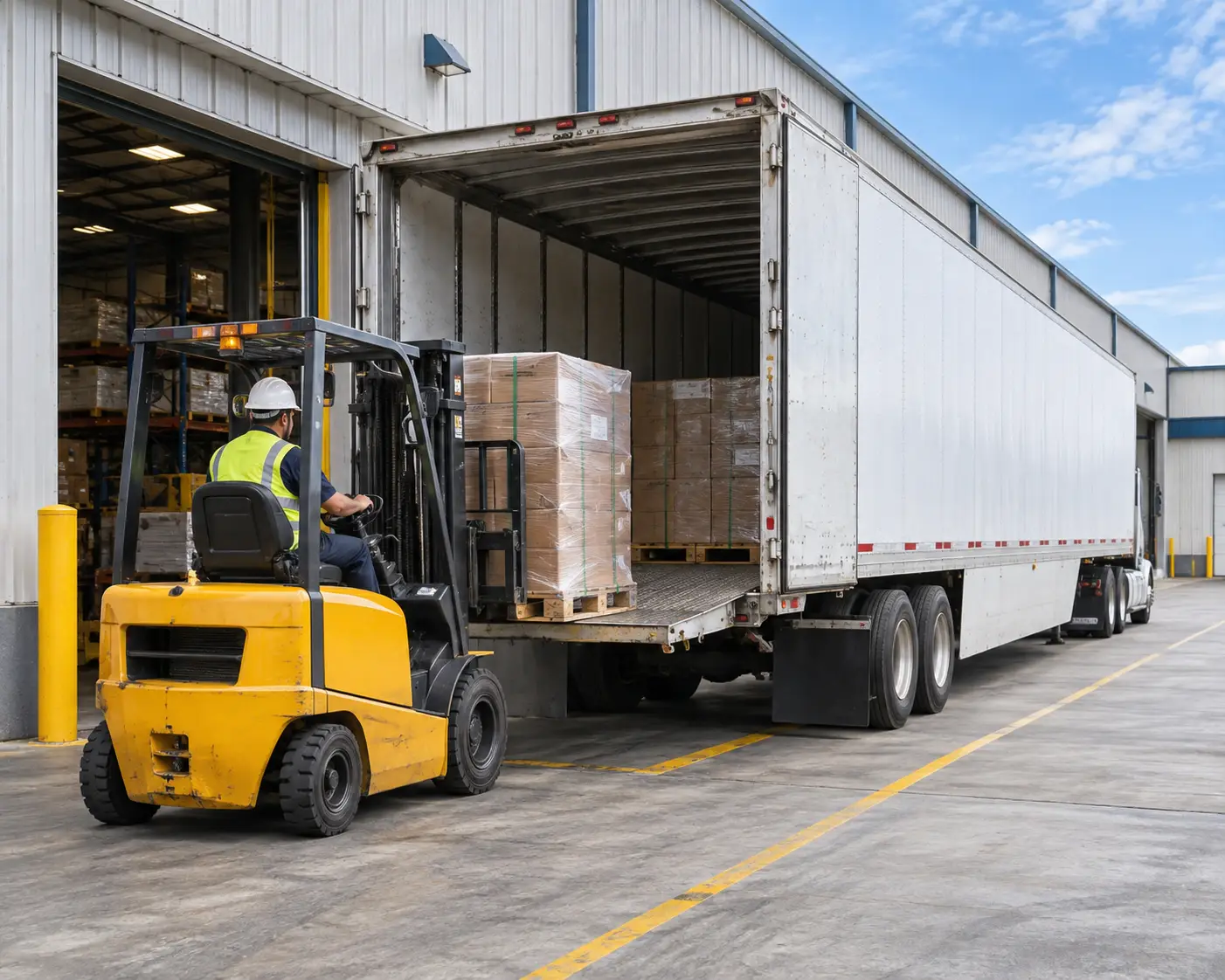
Convenient Loading and Unloading: Compatible with standard warehouse loading docks and pallet-handling equipment.
Wide Carrier Availability: Commonly available through established trucking and freight transportation networks.
Cost-Effective Transportation: Can provide an economical option for many general freight shipments, depending on route, capacity, and market conditions.
Frequently Asked Questions About Dry Van Shipping
1. What is a dry van trailer used for?
A dry van trailer is used to transport general freight that does not require temperature-controlled conditions. It is commonly used for packaged goods, retail products, electronics, industrial supplies, and palletized cargo.
2. What is the difference between dry van and reefer shipping?
Dry van trailers are enclosed trailers without temperature-control systems, whereas reefer trailers have refrigeration equipment to maintain specific temperature conditions. Dry vans are suitable for general freight, while reefers are used for temperature-sensitive products.
3. What is the standard size of a dry van trailer?
Common dry van trailer lengths include 48 feet and 53 feet. The available interior dimensions and cargo capacity depend on the specific trailer and equipment configuration.
4. What types of freight can be transported in a dry van?
Dry van trailers can transport packaged consumer goods, retail inventory, electronics, manufacturing supplies, automotive parts, paper products, and other suitable non-temperature-controlled freight.
5. Is dry van shipping suitable for long-distance transportation?
Yes. Dry van trailers are commonly used for regional and long-distance freight transportation because their enclosed design helps protect cargo during transit.
6. Does dry van shipping provide protection from weather?
Yes. The enclosed trailer structure helps protect freight from rain, snow, dust, and other external environmental conditions. However, it does not provide temperature control or guarantee protection against all forms of damage.
7. What information is required to get a dry van freight quote?
To request a quote, you generally need to provide pickup and delivery locations, cargo type, shipment weight, dimensions, number of pallets, preferred pickup date, and any special handling requirements.
8. Does Pugetbay Logistics offer full truckload dry van shipping?
Pugetbay Logistics helps coordinate full truckload dry van transportation based on shipment requirements, route availability, and suitable carrier capacity.
9. Can I arrange recurring dry van shipments?
Yes. Businesses with regular freight requirements can discuss recurring transportation arrangements with our team to support their ongoing shipping operations.
10. How can I request a dry van shipping quote?
You can contact Pugetbay Logistics through our website’s quote request form or WhatsApp. Share your shipment details, and our team can help coordinate suitable transportation options.